

EMDR Therapy
Eye Movement Desensitization and Reprocessing (EMDR) is a physiologically based therapy that helps a person see disturbing material in a new and less disturbing way. It is a highly researched treatment that has been shown to reduce symptoms associated with PTSD and is most researched in its effectiveness with issues related to trauma. It has been demonstrated to be effective with a number off issues including trauma, anxiety, panic, phobias, depression, performance anxiety, complicated grief, chronic pain and substance abuse.
EMDR Therapists in Colorado
-

Ellie Brown
Ellie is accepting new EMDR clients ages 18+ via telehealth.
-

Michelle Johnson
Michelle is holding a waitlist for new EMDR clients ages 14+ via telehealth.
-

Dawn Richard
Dawn is holding a waitlist for new EMDR clients ages 16+ via telehealth.
-

Michelle Lockwood
Michelle is holding a waitlist for new EMDR clients ages 10+ via telehealth.
-

Marcie Sinn
Marcie is holding a waitlist for new EMDR clients ages 20+ via telehealth.
View Availability & Schedule aN Appointment
To view calendar availability & request an appointment, please click the button below. Once we confirm your appointment, you will receive an email with a link to our Client Portal to fill out intake documentation.
*Not all clinicians conduct EMDR therapy sessions. Please make sure to select an EMDR therapist when booking an appointment.
EMDR Therapists: Ben Green, Dawn Richard, Ellie Brown, Michelle Johnson, Michelle Lockwood, Marcie Sinn
Benefits of EMDR Therapy
-

The reduction or elimination of flashbacks, nightmares, or other intrusive symptoms
-

Reduced anxiety and/or depression
-

Reduced reactivity to triggers or memories
-

A sense that the past is truly over
-

A reduction or elimination of symptoms of PTSD
-

Overall emotional wellbeing and happiness in life

How Does EMDR Therapy Work?
EMDR brings on the brain's innate ability to heal from difficult and/or traumatic life experiences. Sometimes we have situations that feel "stuck" and that no matter how much we talk about them or try to cope, they are a constant struggle. With the use of bilateral stimulation, EMDR therapy can help the brain process through these "stuck" places and allow us to feel less reactive to them.
Although research is still working to pinpoint the exact ways in which EMDR therapy works, there is belief that it works similarly to REM sleep. During REM sleep, your brain is able to process through your day, leaving you feeling fresh and ready to start a new day when you awake. Some things however are too difficult or overwhelming to just sleep off. EMDR therapy is believed to stimulate this similar process while you are awake and conscious, and specifically focusing on whatever that "stuck" stuff is.

what are emdr sessions like?
Unlike traditional psychotherapy, EMDR therapy involves significantly less talking. The client calls to mind the disturbing issue or event, its details, and what thoughts and beliefs are currently held about the event. The therapist facilitates bilateral stimulation of the eyes or other dual attention stimulation of the brain such as tapping or sounds, while the client focuses on the disturbing material. The client just notices whatever comes to mind without making any control to direct direction or content. Sets of bilateral stimulation continue until the memory becomes less disturbing and is associated with positive beliefs about oneself.
Sessions are typically 60-90 minutes and can be conducted via telehealth.
Getting started with EMDR Therapy
Beginning EMDR therapy is a structured, thoughtful process designed to ensure you feel safe, prepared, and supported every step of the way. Here’s what you can expect as you move through treatment.
1
Grounding & Preparation Sessions
Before starting EMDR processing, we focus on building a strong foundation.
In these early sessions, you and your therapist will:
Develop trust and rapport
Explore your history and current concerns
Determine whether EMDR is the right fit for you
Preparation is a key part of this phase. You’ll learn grounding skills and emotional regulation tools to help you stay stable throughout the process.
What to Expect:
Sessions typically last 60 minutes
The number of sessions varies depending on your needs, history, and life circumstances
Readiness is essential—this includes having:
A safe and stable living environment
Basic needs consistently met
The ability to regulate emotions
A supportive network in place
This stage ensures you feel equipped and supported before moving into deeper work.
2
EMDR Processing Sessions
Once you’re ready, EMDR sessions begin. These look different from traditional talk therapy.
During EMDR therapy sessions:
You’ll briefly bring to mind a distressing memory, including associated thoughts and beliefs
Your therapist will guide you through bilateral stimulation (eye movements, tapping, or sounds)
You’ll simply notice what comes up without trying to control or analyze it
What to Expect:
Sessions typically last 60-90 minutes
The emotional intensity of the memory typically decreases
New, more adaptive beliefs about yourself begin to emerge
The experience becomes less “stuck” and more integrated
These sessions involve less talking and more internal processing, allowing your brain to naturally heal and reprocess past experiences.
3
Continued Therapy & Integration
Healing doesn’t stop with EMDR sessions, it evolves.
Ongoing therapy often includes a combination of:
EMDR processing sessions
Traditional talk therapy
What to Expect:
Integrate insights gained during EMDR
Strengthen new beliefs and patterns
Navigate current life challenges with greater clarity and resilience
Your therapist will adjust the pace and structure of sessions based on your progress and needs, ensuring therapy remains supportive and effective.
Types of Bilateral Stimulation
-
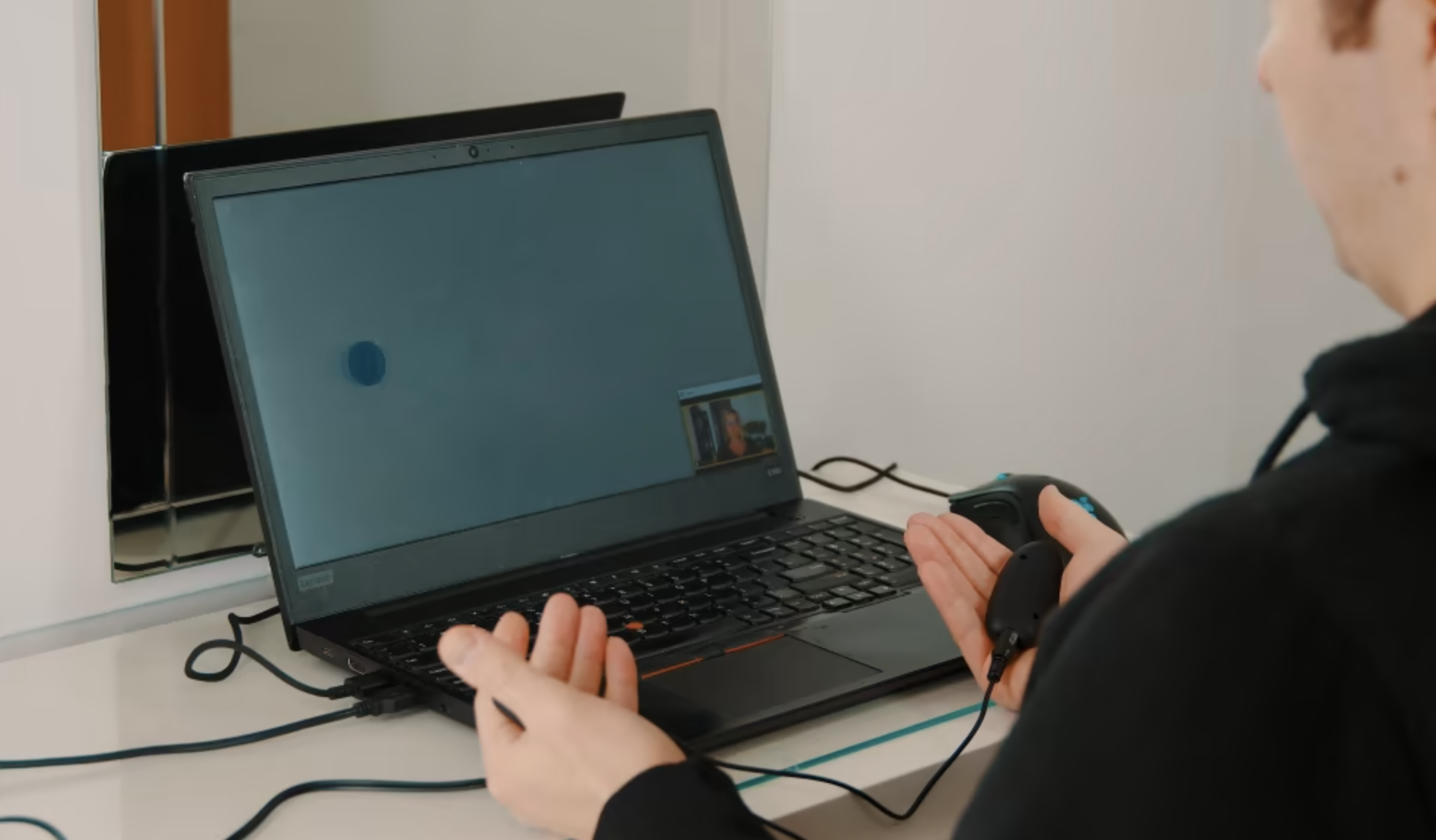
Visual
Light Bar
Virtual Application -

Tapping
Butterfly Tapping
Knee Tapping -

Audio
Alternating sounds via headphones

Healing Trauma & Addiction with EMDR
Evidence-Based Therapy to Help You Move Forward
By Michelle Johnson, MA, LPC, LAC
EMDR Therapist & Supervisor at Free Yourself
EMDR therapy sessions are typically covered by Medicaid & insurance, or you may elect to self-pay.
Please note that your first appointment is considered an intake appointment and will be billed to insurance or charged accordingly.
Insurance & Rates
Using Medicaid or Insurance for EMDR Therapy
Medicaid will cover EMDR sessions up to 90 minutes.
Private insurance, such as Aetna, Anthem, Blue Cross Blue Shield, Cigna, Kaiser, and United/Optum will typically cover EMDR sessions 60-90 minutes, based on your plan. You may opt to self-pay for an additional 30 minutes if you prefer to schedule a 90-minute session, if not covered by your plan.
Please note that insurance accepted varies by each therapist and is listed on each clinician’s profile page.
If you would like us to verify insurance eligibility before requesting an appointment, please contact us with your Member ID. We always recommend that you verify plan details with your insurance provider prior to your first appointment.
Self-Pay Rates for EMDR Therapy
$125/ 60-Minute Session
$187.50/ 90-minute Session
$175/ 60-Minute Session
$275/ 90-Minute Session
Why different rates?
Rates are based on type of licensure. Learn more about types of licensure >